

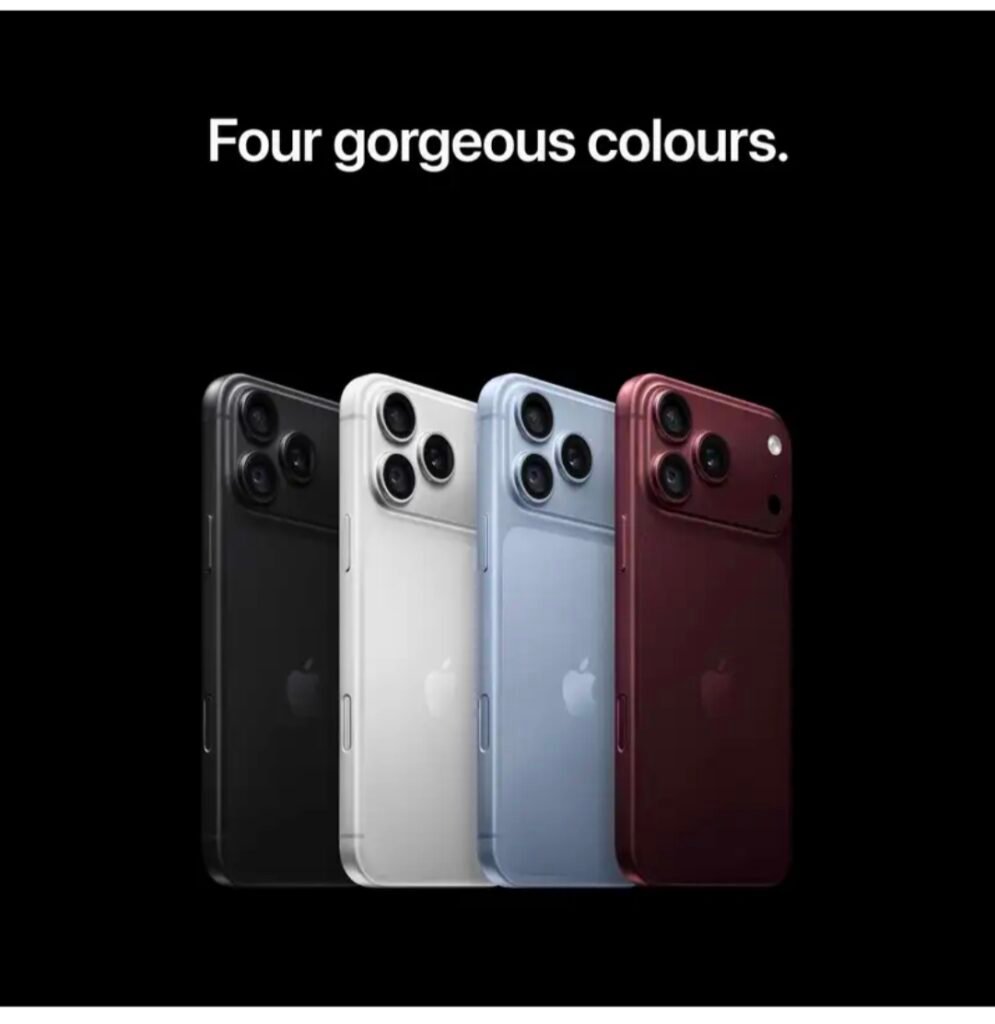
The battle for smartphone supremacy in 2026 has reached its peak with the arrival of two technological marvels: the Apple iPhone 18 Pro Max and the Samsung Galaxy S26 Ultra. These aren’t just phones; they represent the absolute pinnacle of what Apple and Samsung can engineer, featuring cutting-edge processors, revolutionary camera systems, and displays that push the boundaries of visual fidelity.
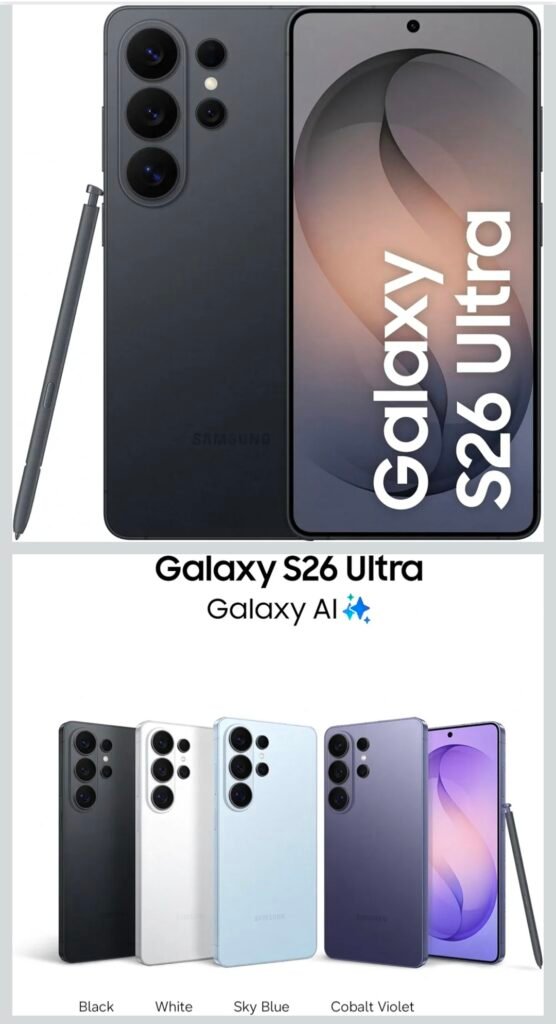
For consumers looking to invest in a premium flagship, the choice between these two titans is more complex than ever. While both devices share a similar launch price and a 6.9-inch display, their underlying philosophies diverge significantly. Apple focuses on a tightly integrated ecosystem with a groundbreaking 2nm chip and a mechanical variable aperture, while Samsung counters with an ultra-high-resolution display, a massive 200MP sensor, and unique privacy features.
This comprehensive guide breaks down every crucial aspect of the iPhone 18 Pro Max and Galaxy S26 Ultra to help you determine which device deserves a place in your pocket.
Design and Display: Elegance vs. Innovation
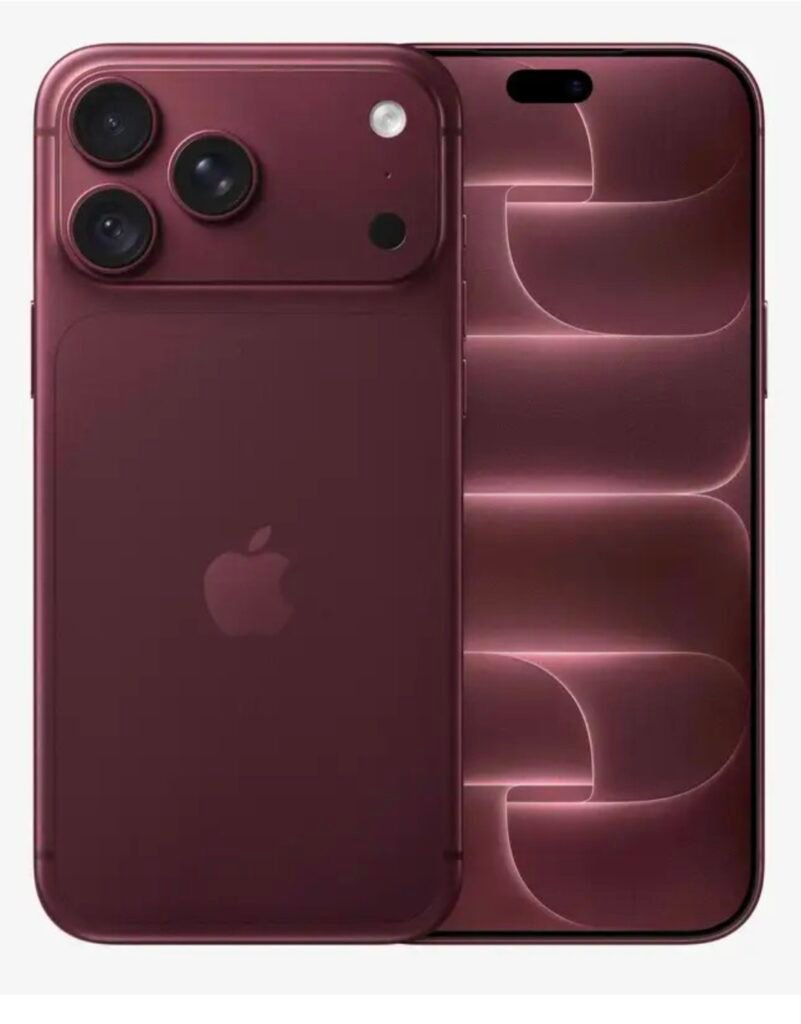
Both flagships are undeniably premium, but they approach design with slightly different priorities. The iPhone 18 Pro Max retains Apple’s signature aesthetic with a large, horizontal camera island and a refined Dynamic Island that has shrunk in size . Available in colors like Black, Silver, Glacier, and the new Burgundy, the device feels substantial at 249g and features a robust aluminum frame with a glass back . Its Ceramic Shield front offers impressive durability, and it boasts an IP68 rating for water resistance up to 6 meters .
The Samsung Galaxy S26 Ultra, in contrast, adopts a slightly more angular design with a vertically arranged camera block . Despite its massive screen, it is remarkably lighter (214g) and slimmer (7.9mm) than its Apple counterpart, largely due to its Armour Aluminum 3 frame . A significant advantage for Samsung is the inclusion of the S Pen stylus, nestled neatly within the body.
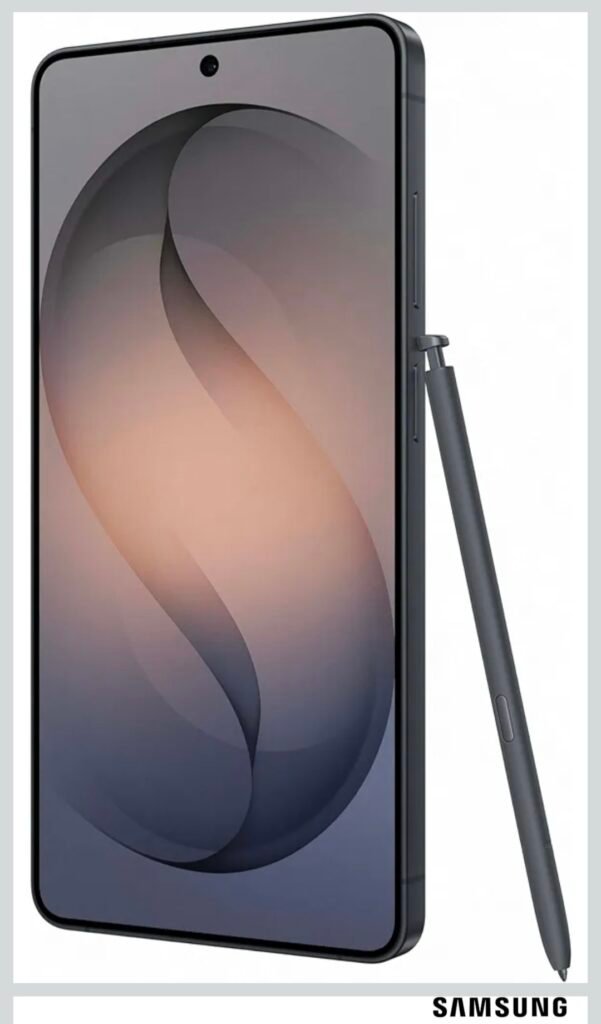
When it comes to the display, both phones feature a expansive 6.9-inch panel with a smooth 120Hz adaptive refresh rate . However, the specifications differ subtly. The Galaxy S26 Ultra features a sharper QHD+ resolution (3120 x 1440) with a higher pixel density of roughly 500 ppi . Conversely, the iPhone 18 Pro Max shines brighter, hitting a peak brightness of 3,000 nits compared to Samsung’s 2,600 nits .
The standout display feature belongs to Samsung: the Privacy Display. This innovative hardware-level technology blanks out the screen from side angles, preventing shoulder surfers from seeing your sensitive information . It’s a unique feature that provides tangible security benefits in public spaces.
Performance and Hardware: The 2nm Leap
Under the hood, this is where the iPhone 18 Pro Max flexes its engineering muscle. It is powered by Apple’s new A20 Pro chip, the first mobile processor built on a 2nm process node . Featuring a 6-core CPU, a 7-core GPU, and a dual 16-core Neural Engine, Apple claims desktop-grade performance and significant efficiency gains . Benchmark tests support this, with the iPhone 18 Pro Max outperforming the Galaxy S26 Ultra in processing speed tests and Geekbench scores . The introduction of a larger vapor chamber also means better sustained performance during heavy gaming or AI tasks .
The Samsung Galaxy S26 Ultra relies on the overclocked Snapdragon 8 Elite Gen 5 for Galaxy, built on a 3nm process . While exceptionally powerful in its own right, the iPhone’s 2nm architecture gives it an edge in raw throughput and power efficiency . Samsung pairs its chip with up to 16GB of RAM on the 1TB model, while the iPhone 18 Pro Max offers 12GB of RAM across the board .
In terms of software, the Galaxy S26 Ultra runs on Android 16 with One UI 8.5, featuring a suite of Galaxy AI tools and a promise of seven years of updates . The iPhone 18 Pro Max ships with iOS 27, introducing Apple Intelligence features and a revamped Siri experience that integrates deeply with the on-device Neural Engine .
Camera Systems: Variable Aperture vs. 200MP
The camera battle is the most compelling narrative of this generation. Apple has made a bold move with the iPhone 18 Pro Max by introducing a 48MP main sensor with a mechanical variable aperture (f/1.48 to f/4.0) . This allows photographers to physically control depth of field and light intake, mimicking the behavior of a professional DSLR lens. This is complemented by a full 48MP fusion system for ultra-wide and telephoto shots .
Samsung continues to dominate in raw resolution with a monstrous 200MP primary camera paired with an f/1.4 aperture . The Ultra’s strength lies in its versatility, featuring a 50MP ultra-wide, a 10MP 3x telephoto, and a 50MP 5x periscope lens capable of up to 100x digital zoom . If you need extreme zoom capabilities, Samsung is the clear winner.
However, Apple has introduced a unique feature for professionals: Apple Reference Image. This technology cryptographically signs sensor data at the pixel level, allowing photographers to verify that an image was authentically captured by the camera rather than generated or manipulated by AI . For journalists and creators concerned with authenticity, this is a game-changer.
Battery Life and Charging
Battery life is a critical factor for power users, and here the iPhone 18 Pro Max has made massive strides. Apple claims the device delivers up to 45 hours of video playback, calling it the largest battery improvement in the product’s history . This is partly thanks to the efficiency of the 2nm A20 Pro chip and a larger physical battery (around 5,567 mAh in US models) .
The Samsung Galaxy S26 Ultra houses a 5,000 mAh battery, rated for up to 31 hours of video playback . While this is still excellent for a full day of heavy use, it falls short of Apple’s endurance claims. Samsung does, however, support faster charging speeds, with 60W wired charging compared to the iPhone’s roughly 50% in 15 minutes (which implies a similar top-end speed but different curve) . Both phones support fast wireless charging, with Apple optimizing MagSafe and Samsung supporting Qi2 .
The Samsung Galaxy S26 Ultra matches the starting price at **$1,299.99** for 256GB, but offers better value at higher tiers. The 1TB model is priced at $1,799.99, significantly undercutting the equivalent iPhone . In markets like India, the price gap is even more pronounced, with the Galaxy S26 Ultra retailing for considerably less than the iPhone 18 Pro Max .
Verdict: Which Flagship Should You Choose?
Choosing between the iPhone 18 Pro Max and the Galaxy S26 Ultra depends entirely on your priorities.
Choose the iPhone 18 Pro Max if:
· You prioritize raw performance and battery life. The 2nm A20 Pro chip and up to 45 hours of video playback make it a marathon runner .
· You want the most advanced camera hardware for creative control, particularly the variable aperture and authentic image verification .
· You are deeply invested in the Apple ecosystem (Mac, iPad, Apple Watch) and value seamless integration .
Choose the Samsung Galaxy S26 Ultra if:
· You value display quality and privacy.
The sharper QHD+ screen and unique Privacy.
Display are standout features .
· You need versatile zoom capabilities and the highest resolution sensor for cropping flexibility .
· You want the S Pen stylus for note-taking and productivity .
· You are looking for better value at higher storage tiers .
Both the Apple iPhone 18 Pro Max and Samsung Galaxy S26 Ultra are extraordinary devices that represent the best of 2026 technology.
Apple has focused on efficiency, raw power, and camera authenticity, while Samsung has doubled down on display innovation, privacy, and zoom versatility. Your choice ultimately comes down to whether you prefer the walled garden of iOS or the open, feature-rich ecosystem of Android.